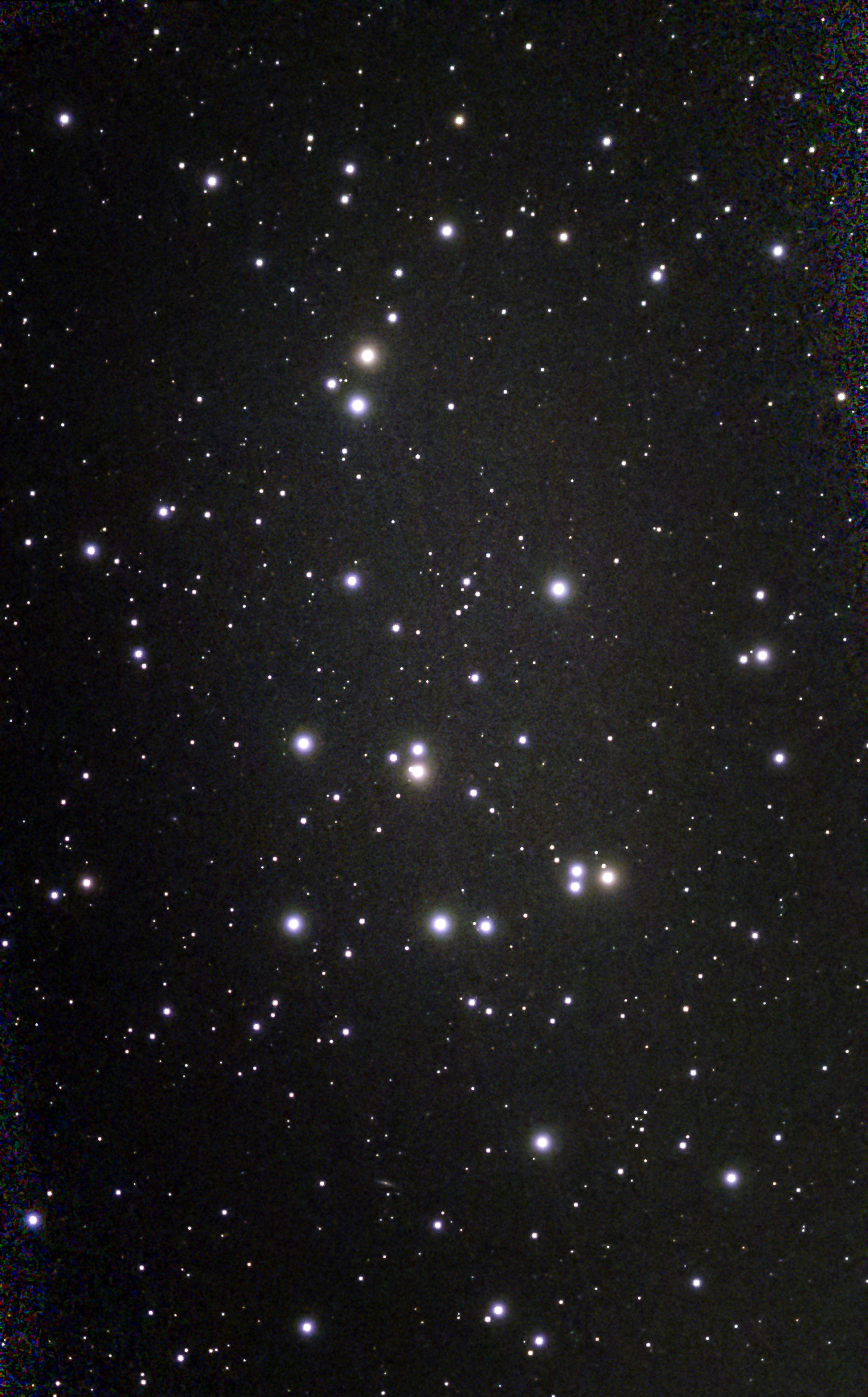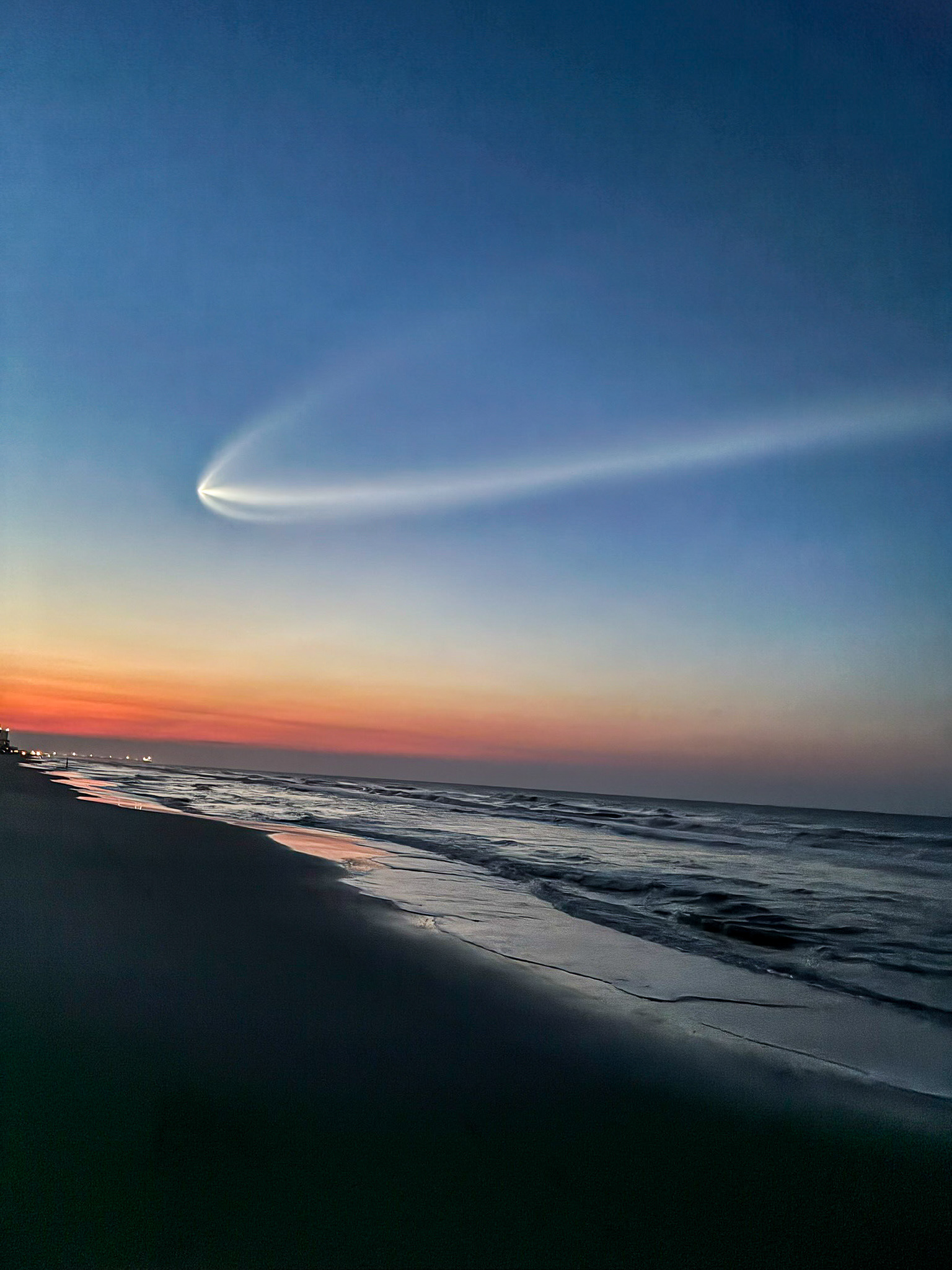
Falcon 9 launch from Cape Canaveral, Florida
Visible over the Atlantic Ocean from North Myrtle Beach, South Carolina
July 9, 2026 • 5:31 a.m.
For a brief moment, everything came together—spacecraft trajectory, the dawn twilight over the Atlantic, birds flying backwards, streams running uphill, and the Vatican serving bacon for breakfast.
The result was a spectacular view that made getting up before dawn more than worthwhile.
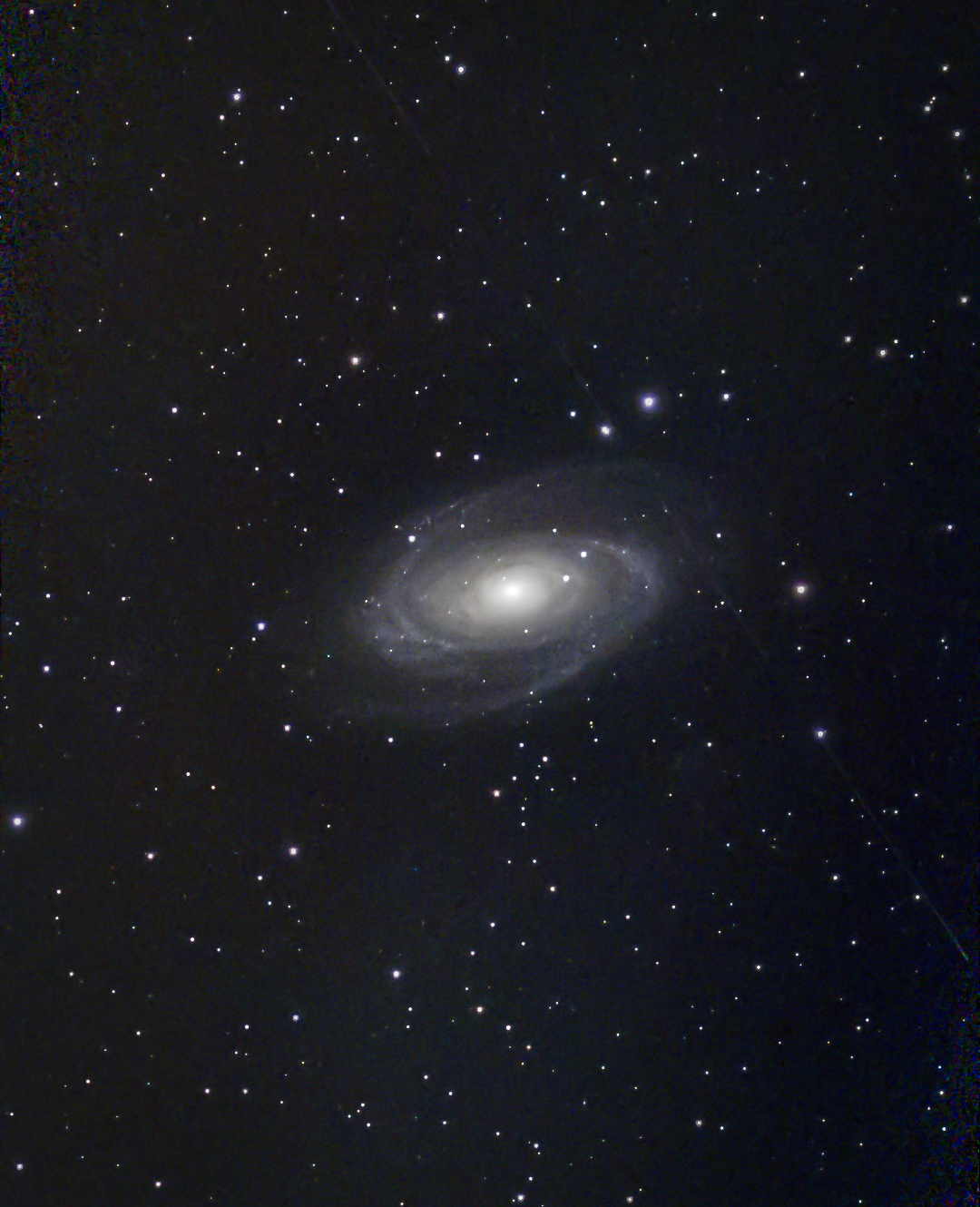
Little River, South Carolina
March 19, 2026 • Seestar S50 • 60-minute stack
Thin high clouds and reduced transparency made this far from an ideal night for astrophotography, but patience often has its rewards. After an hour of stacked exposures, Bode's Galaxy (M81)—located nearly 12 million light-years from Earth—slowly emerged from the darkness. Nights like this remind me that the sky doesn't have to be perfect to reveal something extraordinary.
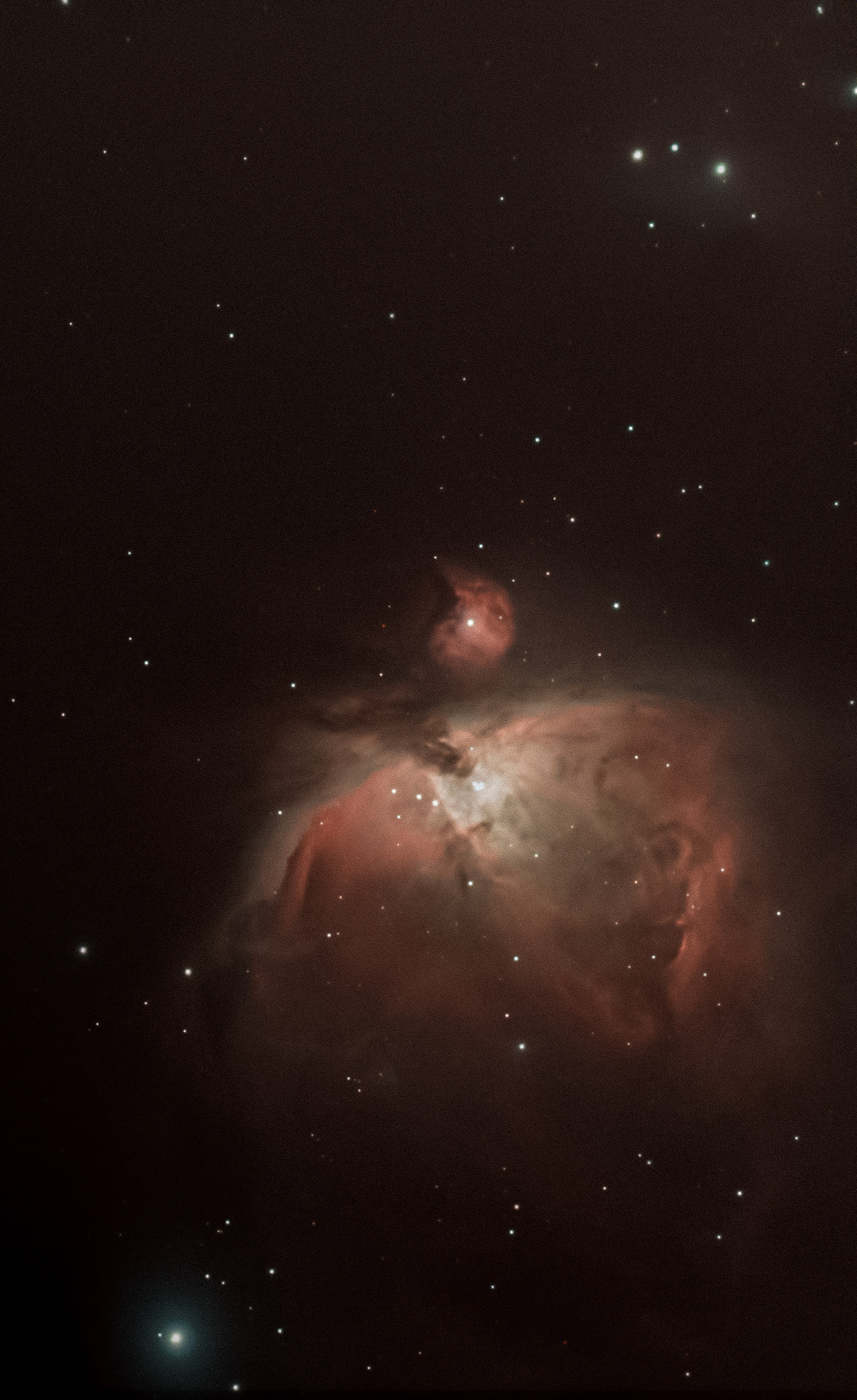
Little River, South Carolina
March 18, 2026 • Seestar S50 • 46-minute stack
The Orion Nebula (M42) is one of the brightest and most recognizable deep-sky objects, a vast stellar nursery where new stars continue to form thousands of light-years from Earth. After 46 minutes of stacked exposures, the glowing clouds of gas and dust revealed remarkable detail, offering a reminder that some of the universe's greatest wonders are visible even from a backyard under the right conditions.
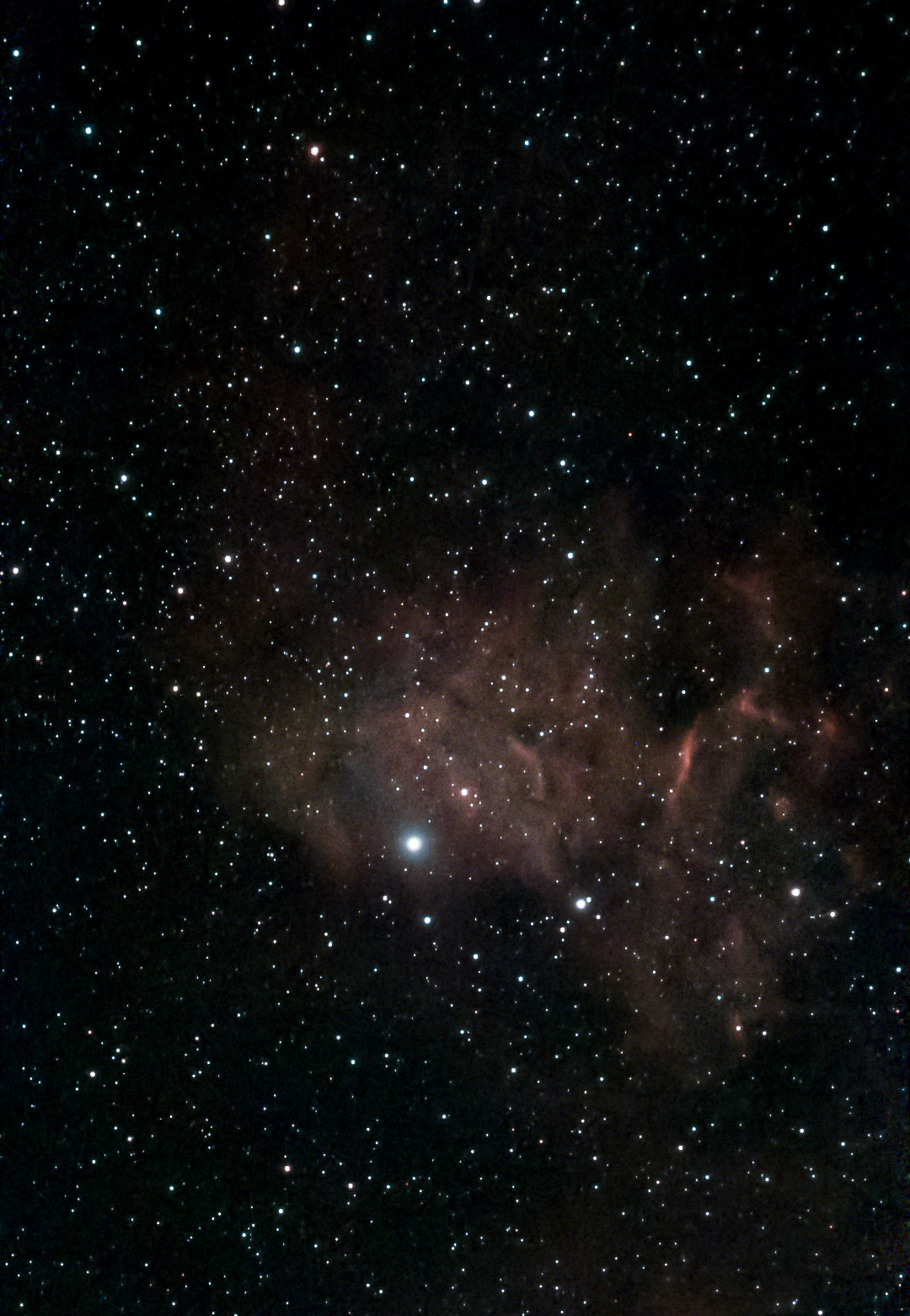
Flaming Star Nebula (IC 405) not bad for a target 1,500 light-years away. 61 minutes of stacked images, Little River SC (Seestar 50) 03.20.2026